




Read More
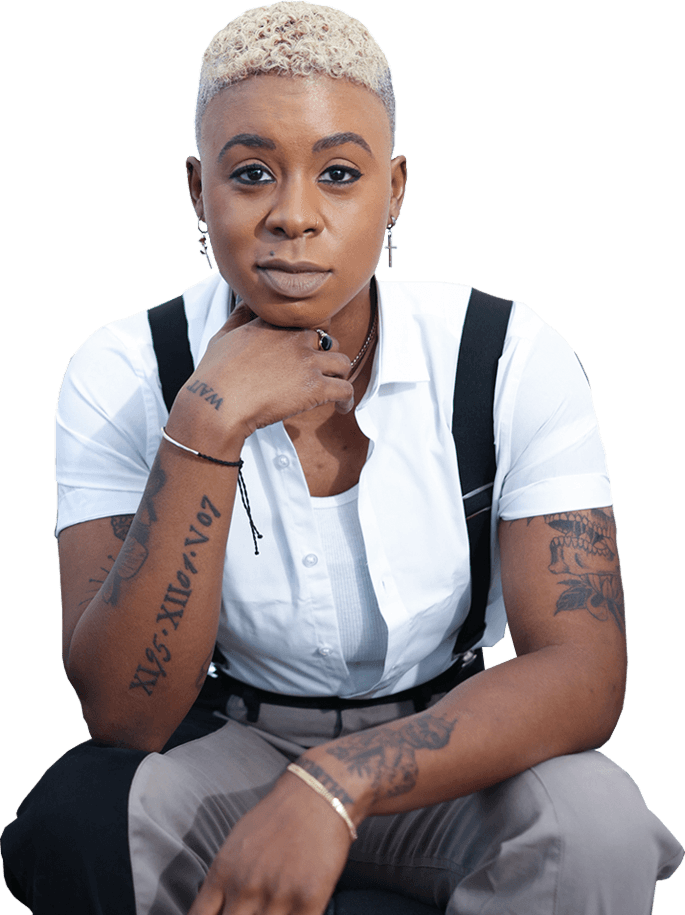
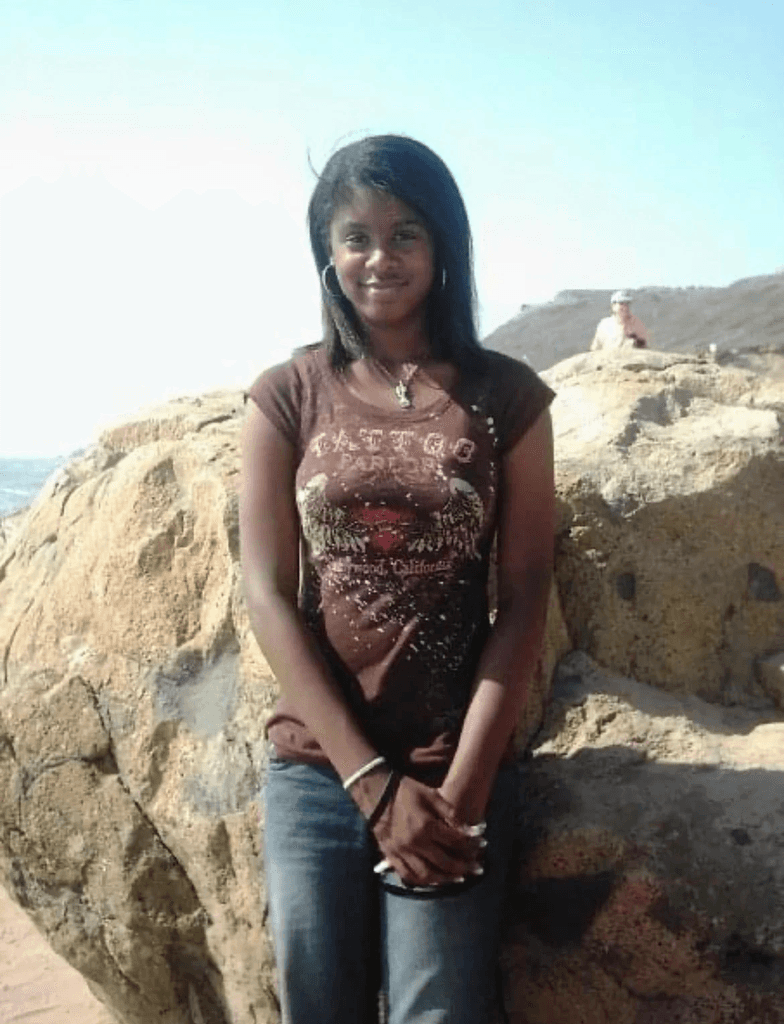
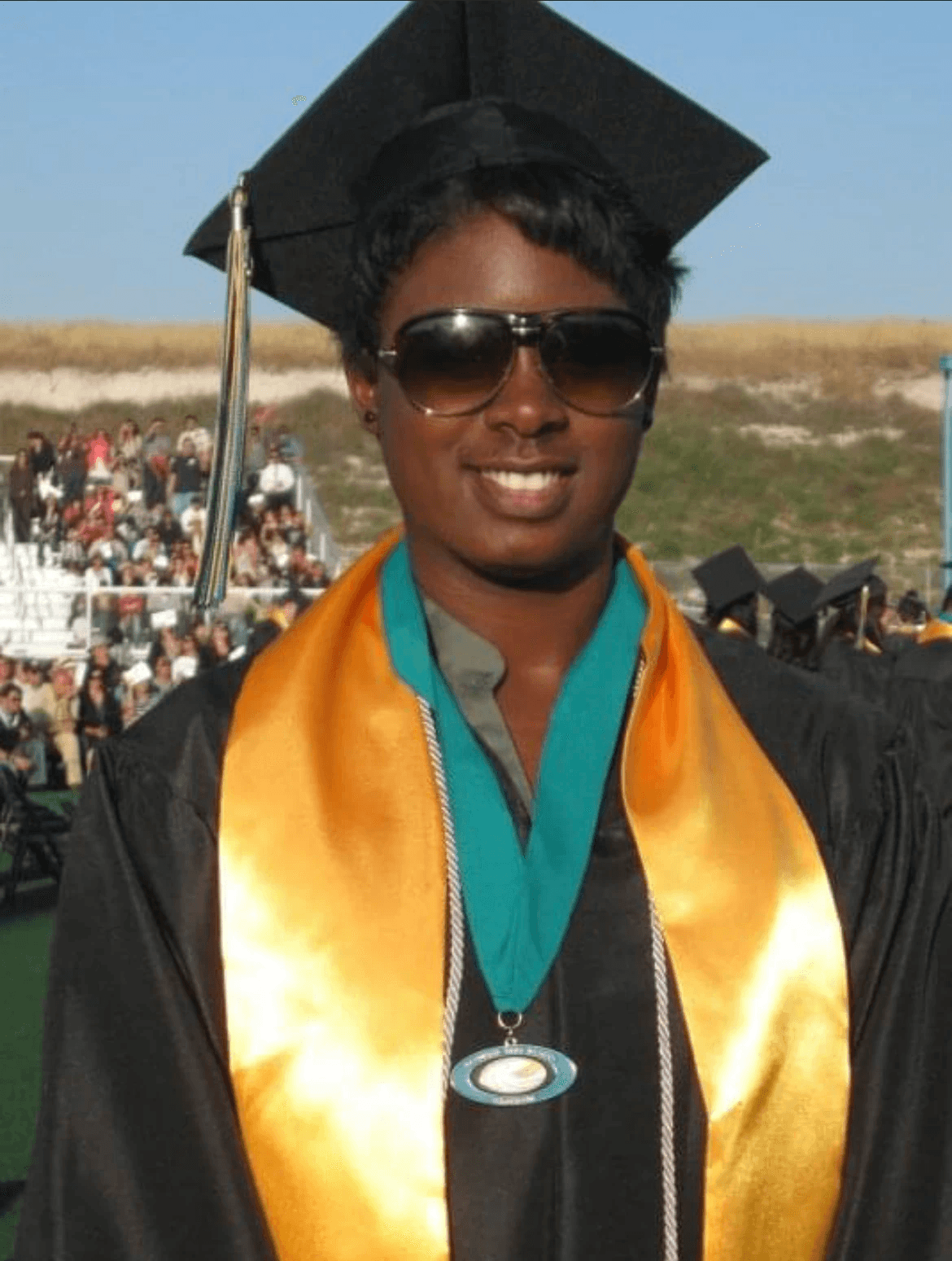
By elementary school, I was a published poet. By senior year, a Harvard College Book Award Winner. Achievement became my armor. Because here's what they don't tell you about high performers: we're usually running from something. I have enough family trauma to write an award-winning Netflix series—unfortunately, lots of us do. I didn't come from privilege. I came from food stamps and an environment where survival meant one thing: high performance is mandatory, silence is required. Six people, government assistance, counting every dollar like it might disappear. When that wasn't enough, eight of us crammed into my aunt's two-bedroom home, sleeping on floors, sharing everything because there was nothing left to share. Rock bottom either breaks you or builds something unbreakable. While pulling 30-hour weeks at Starbucks and maintaining straight A's, I wasn't just surviving—I was strategizing. One day, while waiting for my next class to start, I decided I needed to find a more sustainable job. So I went to Craigslist and found a content writing/admin assistant position for a local ad agency. I thought, hey, they might hire me—it was better pay and hours that would actually let me complete my degree. Six months in, they promoted me to full-time media buyer, and I quickly became one of the highest performers in the office because I honestly loved it so much. I wanted to learn everything I could. Every shift, every campaign, every small victory was a brick in the bridge I was building away from that life.

Read More
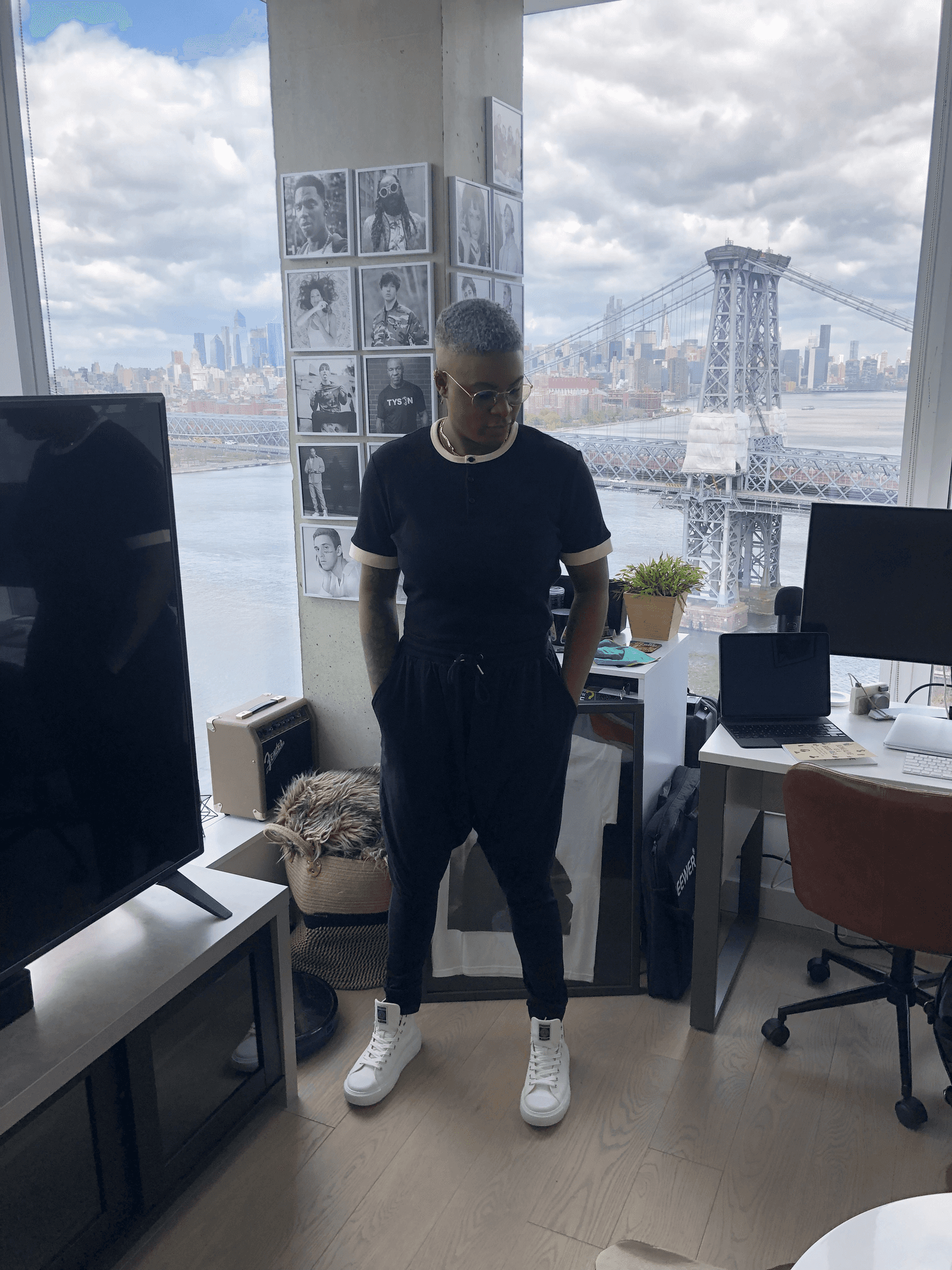
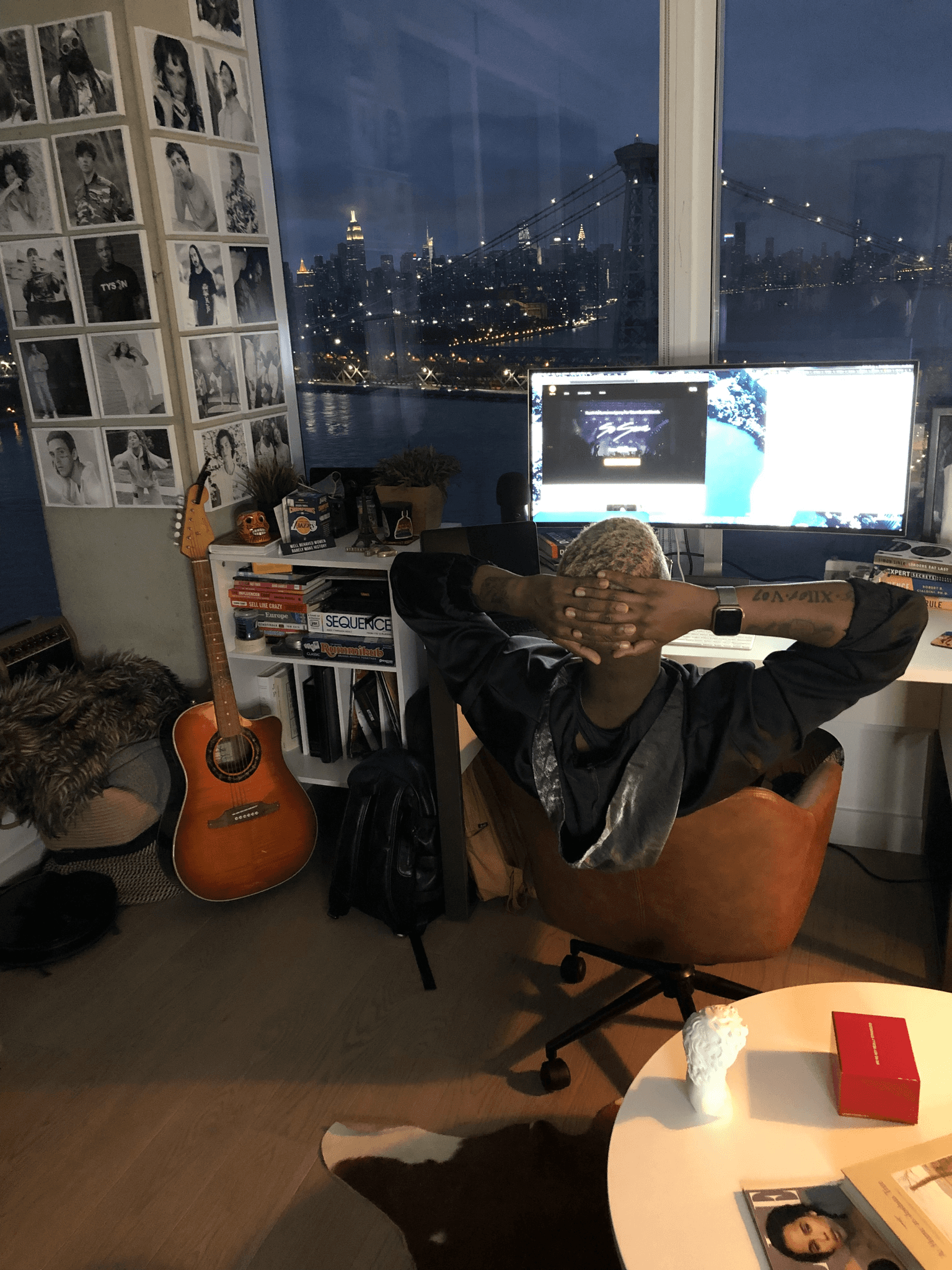
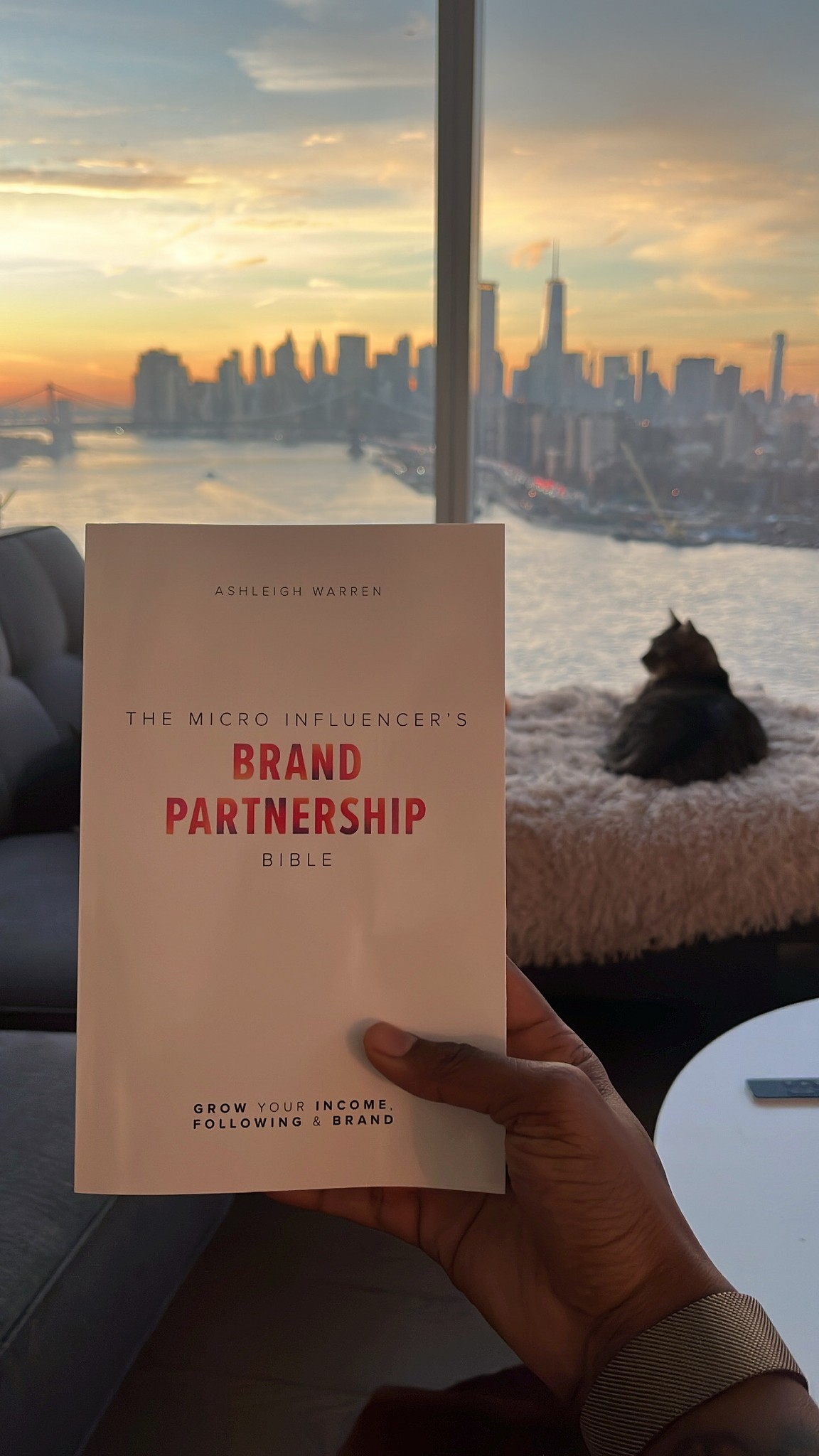
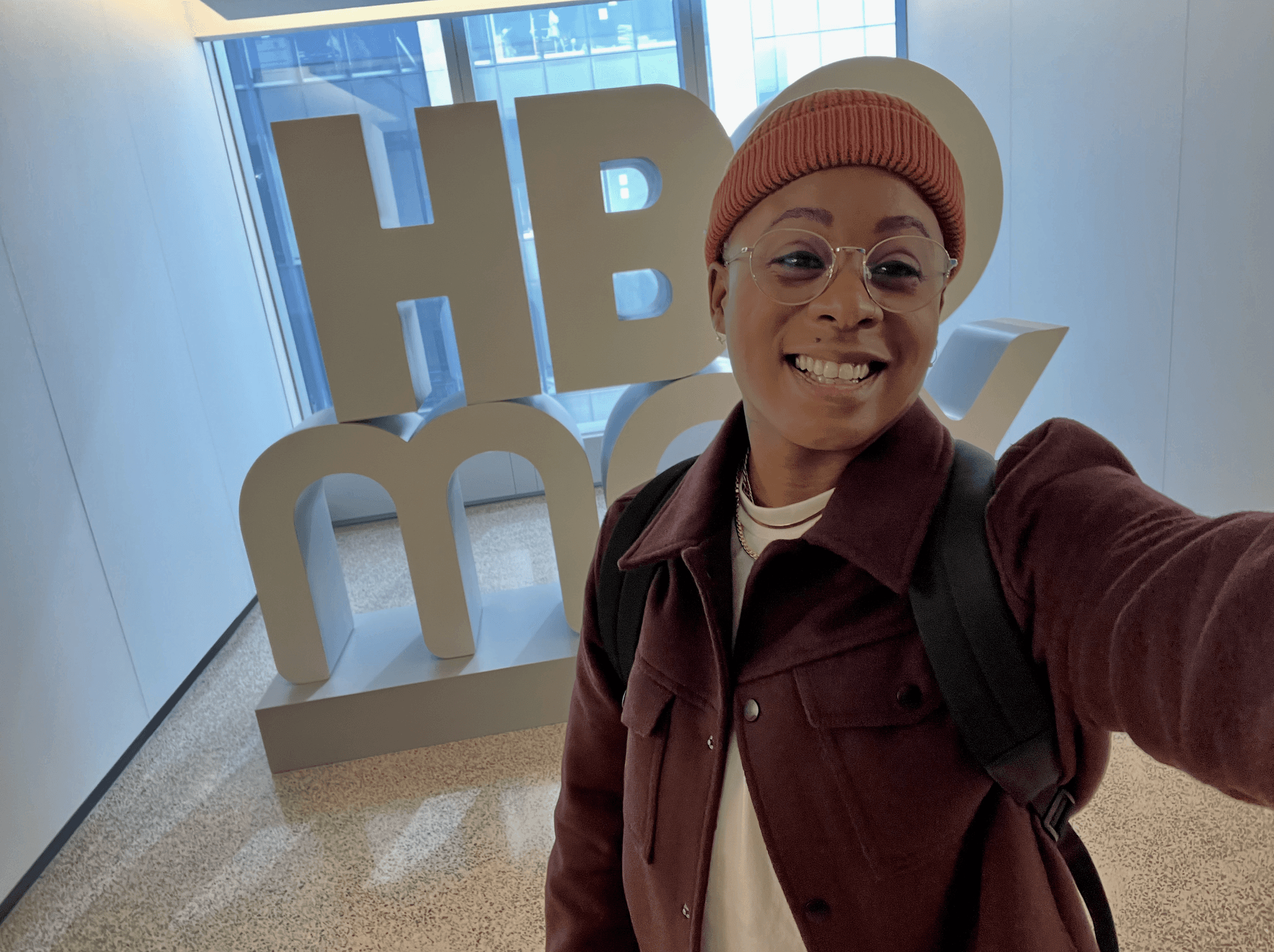
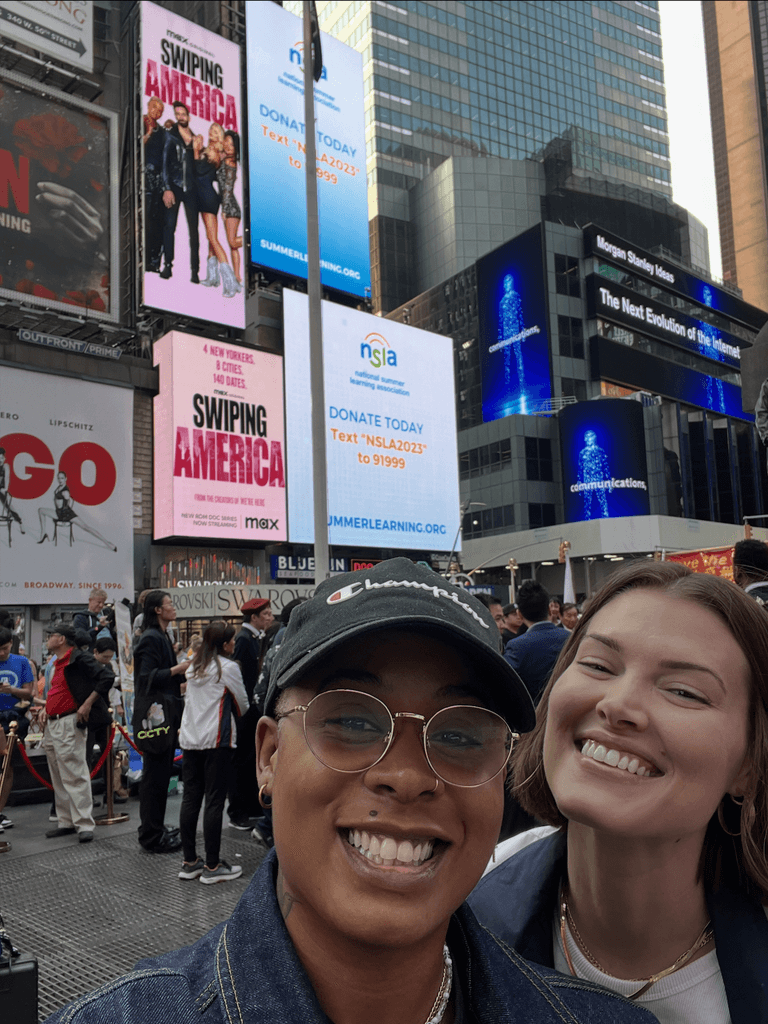
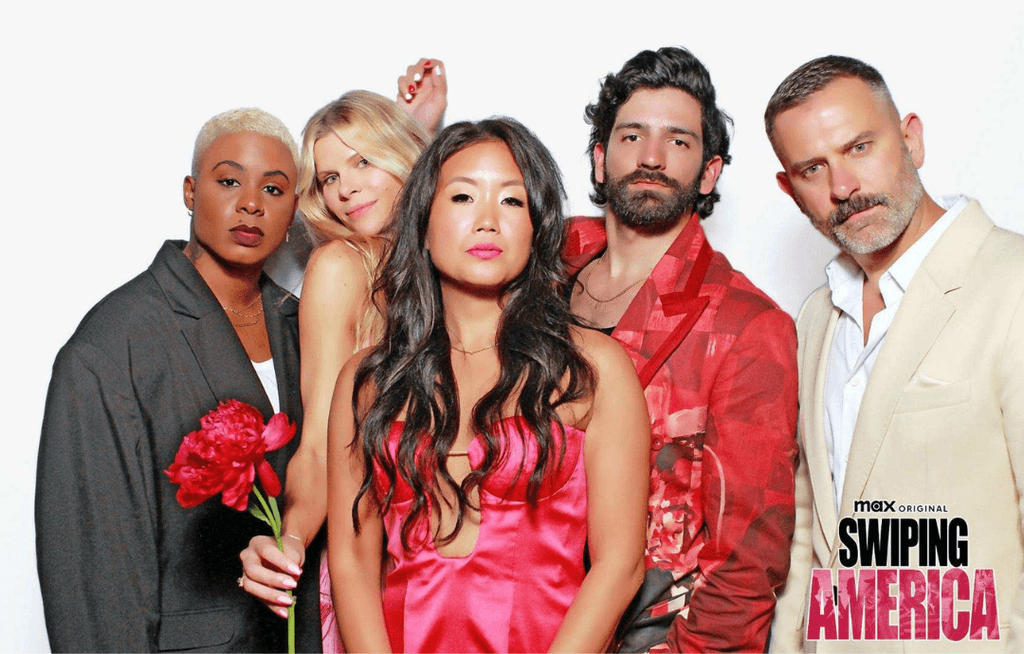
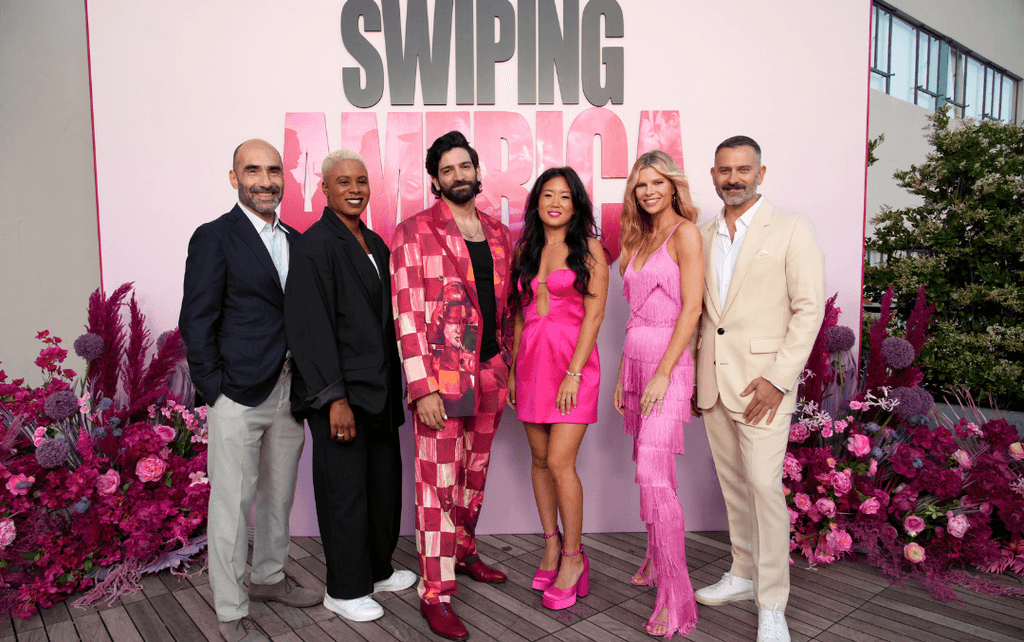
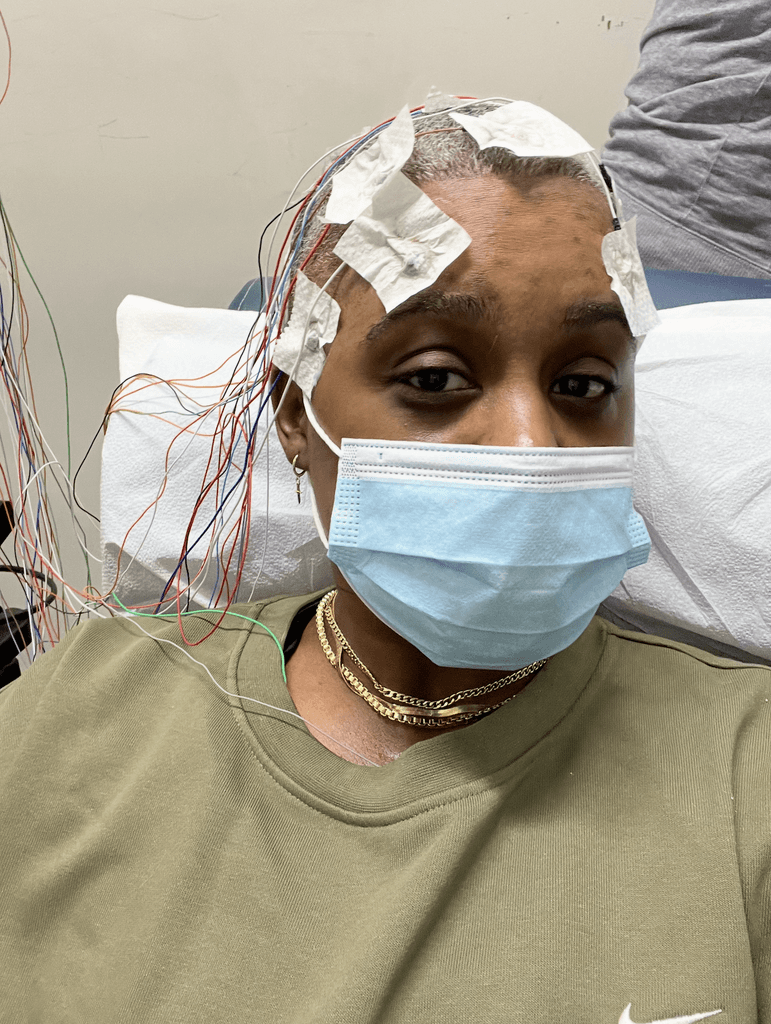
Then Sand Cloud introduced me to Fanjoy, and suddenly I'm in the creator economy working with people I used to watch on YouTube. The hunger was insatiable. I moved to LA, rebranded as So Social, and what happened next was extraordinary: over $100 million generated for clients. I launched my own DTC 7-figure digital product empire without spending a single dollar on ads. Then wrote and released my first book, which hit the Amazon bestseller list in 48 hours. Naturally, I did what every newly successful person does—I moved to New York and got a penthouse. Original, I know. When HBO Max slid into my DMs to hand-pick me for "Swiping America" it felt like the ultimate validation. Everything I'd built, everything I'd overcome, was being broadcast to millions. But here's the thing about success built on survival instincts: it's a house of cards in a windstorm. Shooting the show was fun, but it didn’t go viral, and I thank God it didn’t. I was not ready. It unlocked a lot of memories I had suppressed, and replaced my confidence with gallons of self-doubt. Years of unprocessed trauma were just waiting for my body to slow down long enough to deal with them. And boy, did we deal. My body literally rebelled—PNES, Psychogenic Nonepileptic Seizures—trauma manifesting as physical symptoms I couldn't ignore anymore. Running my agency? Not happening. Living alone? Also not happening. Unthinkable Depressive episodes. Happening. Happening very often. In that darkness, I learned something profound: failure isn't the opposite of success—it's success's most generous teacher. It shows up differently every time, but the message remains: what you think matters and what actually means something of value to you are often two very different things.



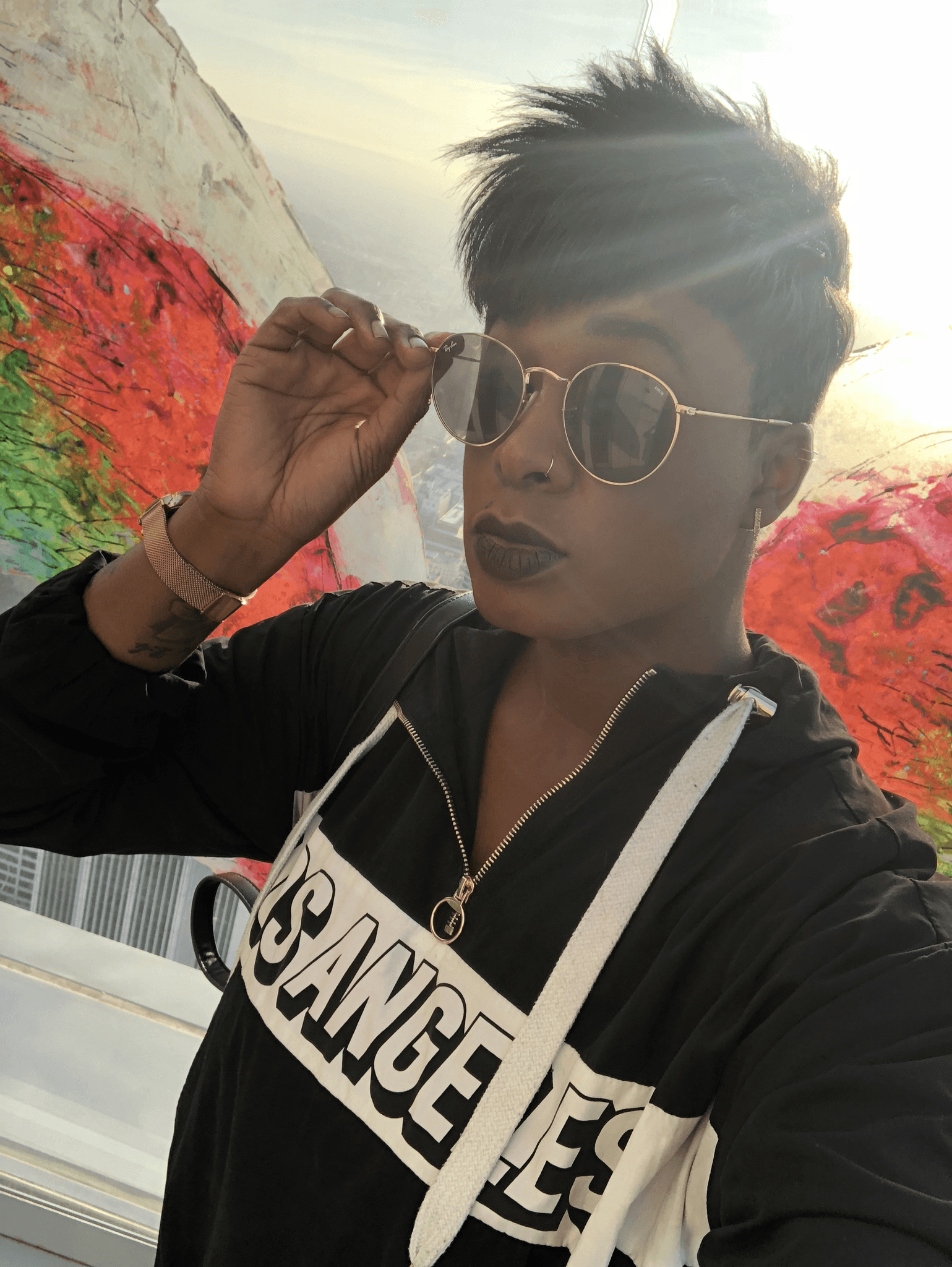
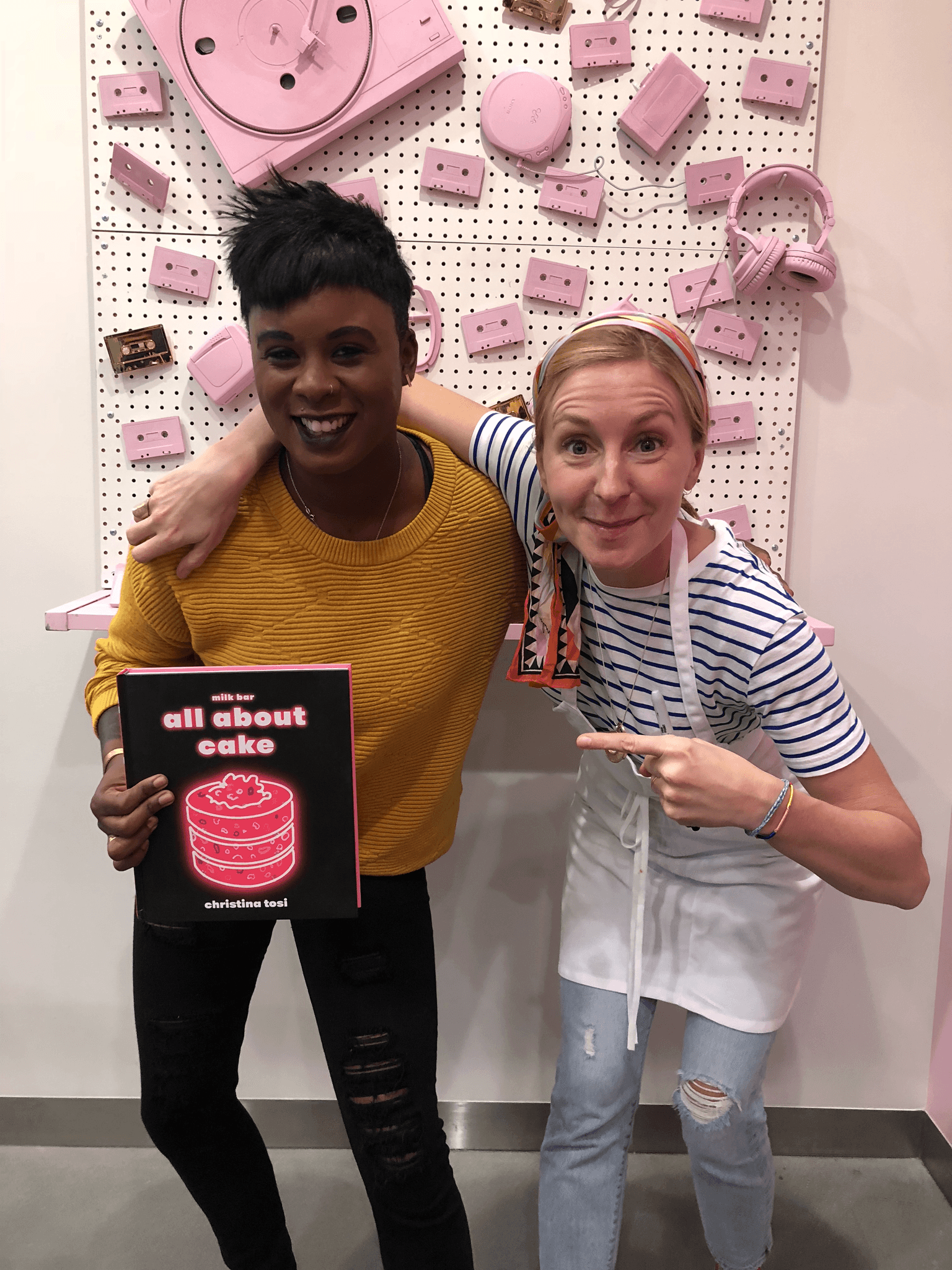
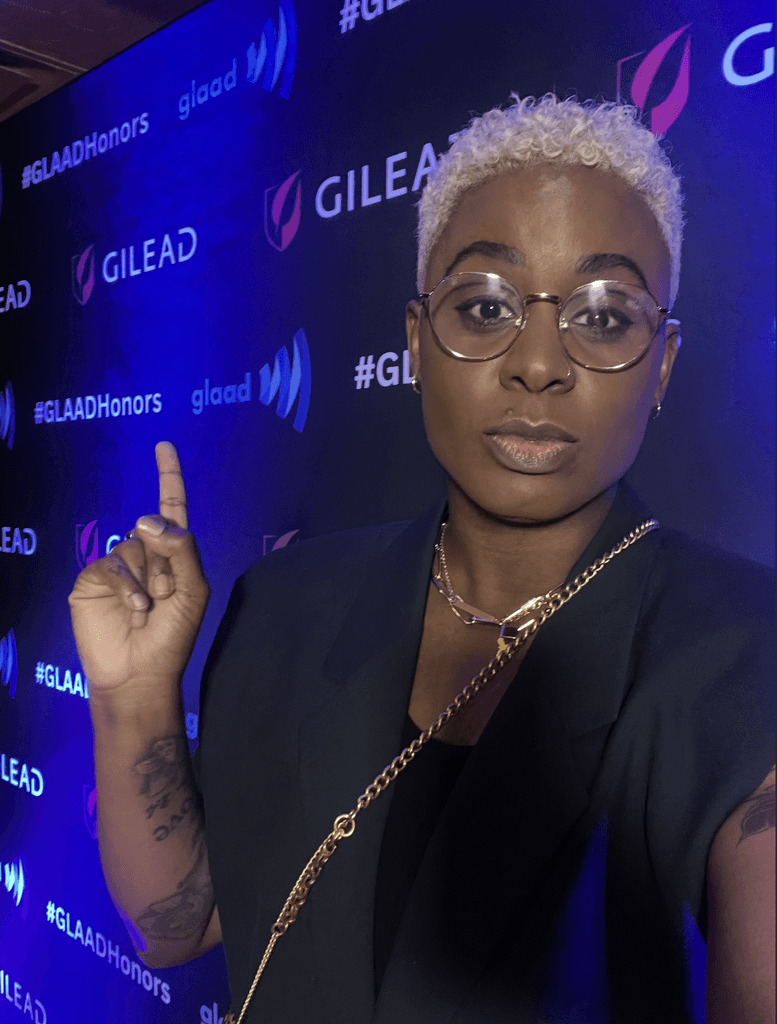
Read More
I closed So Social because I'd achieved something I once thought impossible—unthinkable greatness. The kid from San Diego would lose her mind knowing that some of the world's greatest artists, creators, and entrepreneurs personally hire me to help them win. When I really think about it, it's absolutely wild. I took the two aspects of my agency I loved the most and decided to focus on those offers. My consulting and content production company operates on the same simple philosophy I built my agency on: be the exact opposite of everything entrepreneurs hate about working with consultants. I don't just talk—I build to solve problems. I work exclusively with founders, entrepreneurs, creators, and executives who understand the difference between activity and impact, between vanity metrics and results that actually move the needle. My approach hasn't changed: I only work with people I believe in. I only work to build or market products I believe are ready for extreme success. If they aren't, I'll tell you and I'll help you fix them. There are many projects I have turned down simply because I knew this must be fixed first; to advertise this now would be a waste of your money. I build strategies that excel in two lanes simultaneously—extraordinary short-term results and sustainable, long-term growth that compounds. Because when you've lived on food stamps, when you've rebuilt from nothing multiple times, you understand something most people don't: the difference between surviving and thriving, between performing and creating, between building from fear and building from purpose.